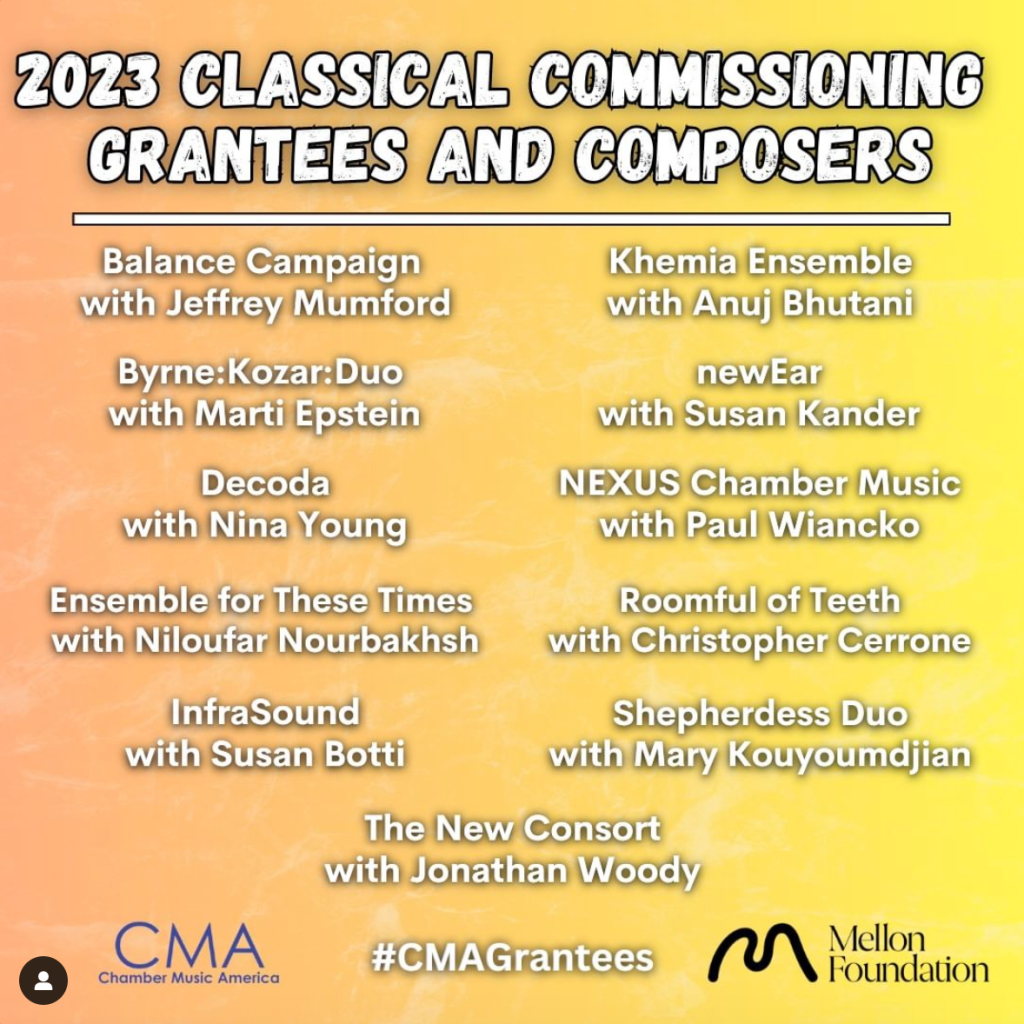
Chamber Music America has announced CMA Classical Commissioning Grant Recipients for 2023. Niloufar will work with filmmaker Pegah Pasalar on a new multimedia piano trio for “Ensemble for These Times” on the subject of Immigration, the sweet and the sad, and all other emotions and consequences that come with Immigration.
Niloufar Nourbakhsh in Conversation with Shaghayegh Bagheri, Samin Ghorbani, and Golnar Shahyar; published as part of Musik & Ästhetik journal’s forum. Read the article HERE
A feminist revolution sparked in Iran after the death of Mahsa Jina Amini on September 16, 2022. Iranian people marched across the streets of Iran and the world under the unified words of “woman, life, freedom”, demanding justice for the murder of Mahsa while she was in custody of “Morality Police” for improper hijab. Veiling became obligatory for all women in Iran above the age of nine, two years after the 1979 Islamic Revolution. Alongside this gender apartheid ruling, women were also prohibited from singing in public after the revolution. A verdict that banished many of Iran’s celebrated female singers to silence or exile . For the first time in our contemporary history, the focus and attention of the world has landed on compulsory hijab, but I believe it is equally important to speak about the compulsory veiling of women’s voices at this crucial historical time as well. Therefore, I set out to interview three distinguished Iranian female singers of our time to speak their truths: Shaghayegh Bagheri, Samin Ghorbani, and Golnar Shahyar.
Next month marks the official centennial of the birth of Chou Wen-Chung, who left us only four years ago. Along with his remarkable but woefully underrecognized oeuvre, his legacy extends to his influence on several generations of Chinese composers and performers he mentored over a long, productive career. Many of them, like Chou Wen-Chung, settled in the U.S., where they have explored innovative ways of synthesizing various aspects of Chinese culture with currents in contemporary Western music.
Framing this morning’s focus on that legacy is music representing two generations of Iranian artists. We begin with Niloufar Nourbakhsh, a young composer and pianist born in Karaj and now based in the U.S. A founding member of the Iranian Female Composers Association, she wrote Veiled in response to the Iranian protests in 2017. Nourbakhsh points to the anger she carries within as a result of “growing up in a country that actively veils women’s presence through compulsory hijab or banning solo female singers from pursuing a professional career.” The cello’s eloquence, pitched high in the register, mixes with an electronically processed track of a woman singing, transforming her anger “into a collective force that is both beautiful and resilient.” She describes Veiled as a “tribute to the Iranian women who made such transformations possible.”
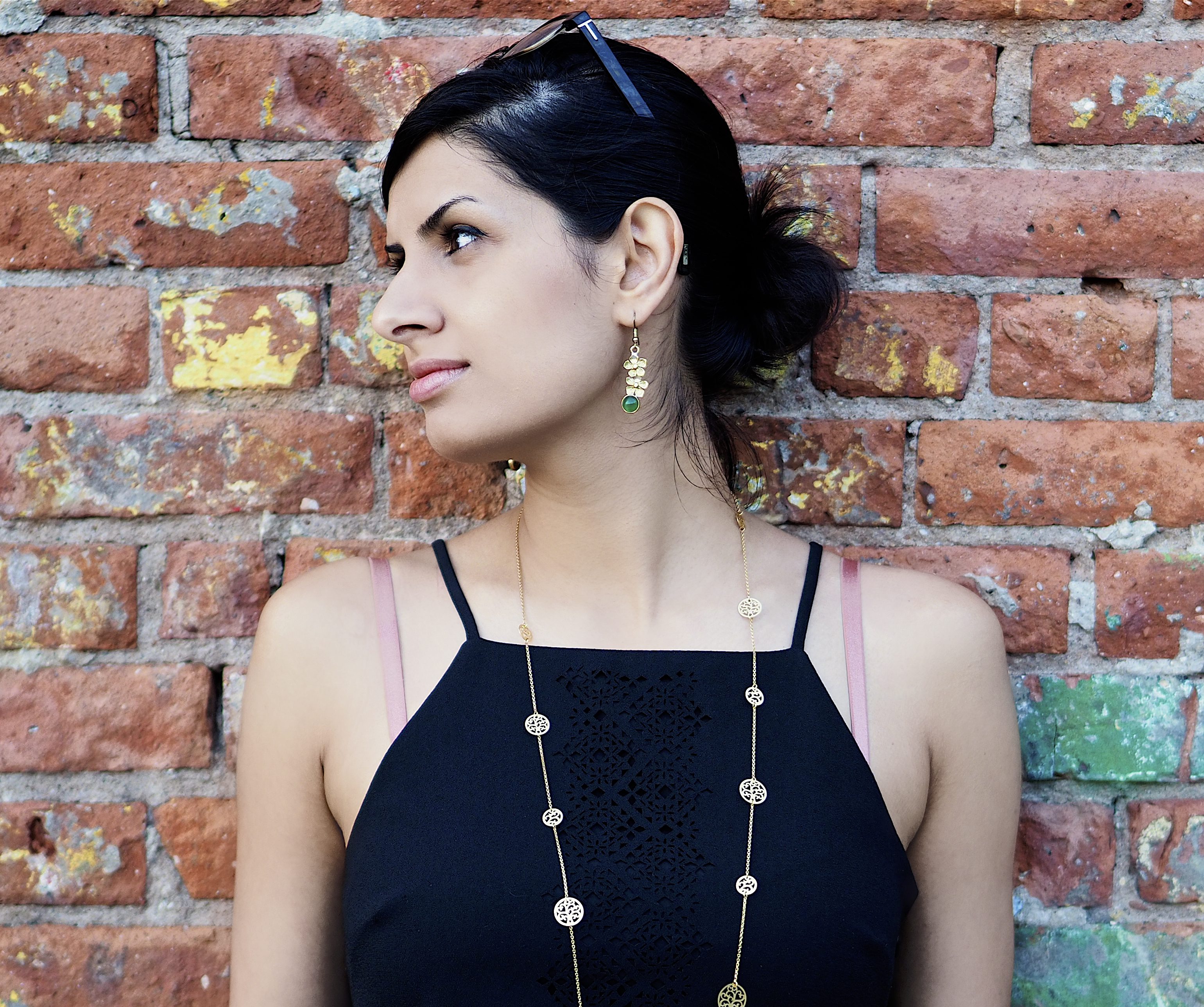

 Nilou Nour | Composer Pianist
You must be logged in to post a comment.